What Happens During A Security Audit? A Guide For Homes And Businesses
A professional security audit examines how easily someone could gain unauthorised access to your property and whether your existing security measures still suit the risks. For homes and organisations considering security systems in Coffs Harbour, an audit typically covers doors, windows, locks, keys, access control, alarms, cameras, lighting and day-to-day security procedures before prioritising practical improvements.
The aim isn't to recommend every security product available. It's to identify weaknesses, understand how the property is actually used and decide which changes deserve attention first.
What Is a Security Audit?
A security audit, or security assessment, is a systematic inspection of a property's physical security. Rather than looking at one lock, camera or alarm in isolation, the assessor considers how different security measures work together. A strong front-door lock, for example, offers limited protection if a poorly secured side entrance provides a much easier access point.
For a business, the assessment may also consider how staff, contractors, cleaners and visitors move through the premises. At home, the focus may be on entry points, visibility, key security and areas that become vulnerable when nobody is home. An on-site inspection provides context that a generic security checklist can't. The property's layout, existing hardware and everyday use all affect what should be prioritised.
What Happens During a Security Audit?
A professional assessment generally works from the property's perimeter towards its most important internal areas. The exact process depends on whether the site is a house, retail premises, office, school, council facility, warehouse or another type of property.
1. Doors, Windows and Access Points Are Inspected
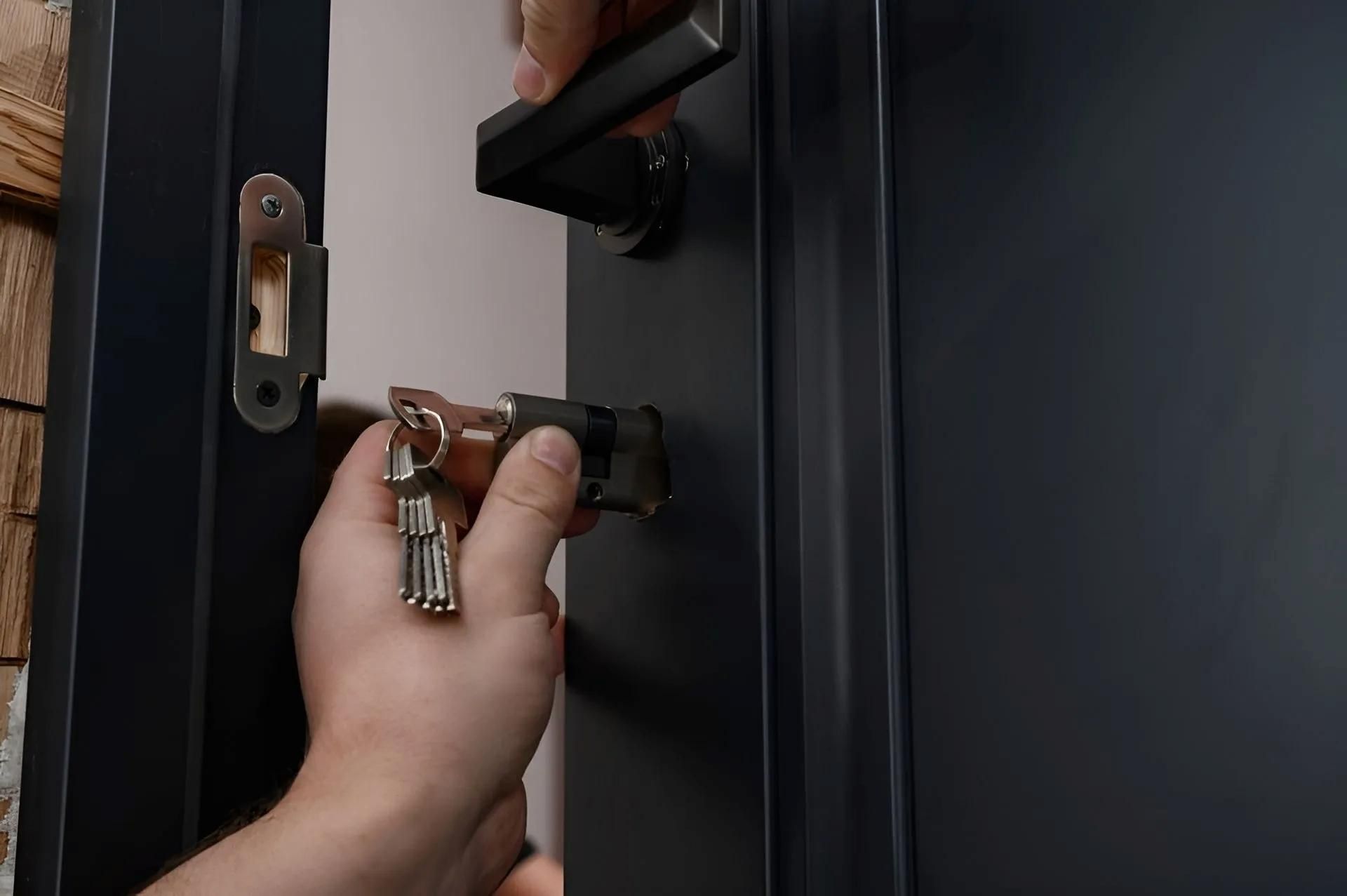
The first step is identifying possible entry points. That includes obvious entrances such as front, rear and side doors, but also windows, gates, garage access and secondary doors that may receive less attention. The assessor may look at:
- Lock condition and suitability
- Door and frame condition
- Window security
- Hinges and hardware
- Gates and external access
- Secondary entrances
- Areas hidden from normal view
Ageing hardware is worth particular attention. A lock may still operate while no longer being the best choice for the property's current security requirements. Coffs City Lockmart discusses this further in
Old Locks, New Risks.
How Does a Security Audit Review Keys and Access Control?
Physical locks are only one part of controlling access. You also need to know who can open them. For a home, that could mean considering how many spare keys exist and whether former tenants, tradespeople or previous occupants could still have copies. Key control becomes more complex for businesses. An audit may ask:
- Who currently holds keys?
- Are keys individually recorded?
- Can keys be copied without appropriate control?
- Have former employees returned their keys?
- Are master keys securely managed?
- Do all staff need access to every area?
- What happens when access needs to be cancelled quickly?
A business that has expanded over several years may discover that its original key system no longer suits its staffing or building layout.
In some situations, electronic access control provides a more manageable option. It can allow organisations to determine which users can access particular areas and change permissions without necessarily replacing physical keys throughout the property.
If an audit identifies that need, the guide to
choosing the best access control system explains some of the options worth considering.
What Security Systems Are Checked During an Audit?
A broader assessment can also review existing electronic security measures. Depending on the property, this may include alarms, access control and security cameras. The question isn't simply whether equipment has been installed, but whether it still covers the right areas and supports the property's current security needs.
For security cameras, an assessment might consider camera placement, obvious coverage gaps, image usefulness and whether changes to the property have reduced visibility.
Example: A Coffs Harbour business installed cameras several years ago. Since then, it has changed its warehouse layout and added outdoor storage. The cameras still operate, but one important access route is no longer properly covered. A security audit identifies the gap and allows the business to improve coverage without automatically replacing the entire system.
The same principle applies to alarms. A system that suited a building years ago may need reviewing after renovations, changes in occupancy or altered operating procedures.
Why Are Lighting and Visibility Part of a Security Assessment?
Security isn't limited to locks and electronic devices. Poorly lit entrances, concealed side access and landscaping that blocks visibility can all influence how secure a property is in practice.
During an on-site assessment, exterior areas may be reviewed alongside doors, gates and cameras. Improving visibility can sometimes be a straightforward way to support other security measures.
For businesses, lighting also needs to make sense around staff entrances, loading areas, car parks and other places used outside normal daylight hours.
A good audit looks at these features as part of one security plan rather than treating every component separately.
What Happens After the Security Audit?
The most useful outcome is a prioritised set of recommendations. Not every finding requires immediate work. Some issues may present more significant vulnerabilities, while others can form part of a longer-term security upgrade. Recommendations might be grouped into areas such as:
- Immediate issues that should be addressed promptly.
- Important upgrades that improve overall access security.
- Longer-term improvements to consider when budgets or renovations allow.
For example, an audit might identify a poorly secured rear door as the first priority, followed by improving key control and then considering electronic access for restricted internal areas.
Businesses often find some of the most practical improvements involve locks, keys and entry points. A
commercial locksmith in Coffs Harbour can assess existing hardware and recommend upgrades suited to the property. The purpose is to spend money where it addresses an identified weakness rather than buying equipment without a clear security objective.
Homeowners
A home security assessment can be useful after purchasing a property, completing renovations or making significant changes to entrances and outdoor areas.
It can also identify older locks, overlooked windows or poorly secured secondary access points.
Businesses
Businesses have the additional challenge of managing employee and contractor access. A security audit can be particularly useful after moving premises, expanding, changing staffing arrangements or altering the way different areas of the building are used.
A home security assessment can be useful after purchasing a property, completing renovations or making significant changes to entrances and outdoor areas.
It can also identify older locks, overlooked windows or poorly secured secondary access points.
Schools and Community Facilities
Schools can have numerous buildings, gates, rooms and authorised users. A structured assessment helps review access across the entire site rather than dealing with individual locks only when something fails.
Councils and Facility Managers
Properties managed across multiple sites need consistent processes for keys, access permissions and physical security. Periodic assessments can help identify inconsistent hardware or access arrangements that have developed over time.
Coffs City Lockmart works across the wider Mid North Coast as well as Coffs Harbour. For properties further south, the team can also assist clients looking for a
locksmith in Macksville.
How Often Should You Have a Security Audit?
There isn't one fixed interval suitable for every property. Instead, review security whenever the property's risks, occupants or use change significantly. For businesses and managed facilities, scheduled periodic reviews can also help prevent small security gaps accumulating unnoticed. Consider arranging another assessment after:
- Moving into a new property
- Renovations or extensions
- Changes to entrances or building layout
- Significant staff turnover
- Lost or unaccounted-for keys
- Installing new security equipment
- Changes in how areas of the property are used
- A break-in or attempted unauthorised entry
For homeowners, purchasing an established property is another sensible trigger. You may receive a set of keys at settlement without knowing how many copies were made previously.
Why Use Local Experience for Security Systems in Coffs Harbour?
Security recommendations need to fit the property rather than follow a generic checklist.With more than 40 years of local experience, Coffs City Lockmart can assess existing locks, access points and security arrangements on site, then identify practical priorities for homes, businesses and managed facilities.
The key takeaway is that a security audit should answer three questions: Where are the weaknesses, which ones matter most, and what is the most practical way to address them?
If you're reviewing security systems in Coffs Harbour for a home, business, school or facility,
contact Coffs City Lockmart to arrange an on-site security assessment and discuss the improvements that make sense for your property.
FAQs
What does a security audit check?
A security audit can review doors, windows, locks, keys, access points, access control, alarms, cameras, lighting and relevant security procedures. The scope should reflect the type of property and how people use it.
Do I need a security audit if I already have cameras?
It can still be worthwhile. Cameras are only one part of property security, and an assessment may identify weaknesses involving locks, keys, doors, access control or areas outside existing camera coverage.
Is a security assessment useful for a home?
Yes. Homeowners can use an assessment to identify vulnerable doors and windows, review existing locks and consider whether current security arrangements still suit the property.
When should a business review its security?
Useful triggers include moving premises, renovating, changing staff access, losing keys or significantly changing the building layout. Businesses can also schedule periodic reviews to identify developing gaps.
Can a security audit recommend access control?
Yes. If managing physical keys has become difficult or different people need different access permissions, an audit may identify electronic access control as an option worth considering.
Does a security audit mean I need to replace everything?
No. A good assessment should prioritise recommendations based on actual weaknesses. Some properties may only need targeted improvements, while others may benefit from a broader security upgrade.