Old Locks, New Risks: When To Call A Locksmith For A Replacement
There's a good chance the locks on your doors have been there longer than you've thought about them. That's not unusual — locks tend to fade into the background of a home until something prompts a closer look. But unlike most household hardware, a lock that's ageing quietly isn't just an inconvenience waiting to happen. It's a potential gap in your home's security that can widen gradually without any obvious warning signs.
Knowing when a lock has reached the end of its reliable service life is useful knowledge for any homeowner. The signals aren't always dramatic — a slightly stiff cylinder, a latch that doesn't quite catch the way it used to or hardware that simply hasn't been touched since the house was built. This guide covers the situations that most commonly point to lock replacement being the right call, and why acting on those signs promptly tends to save both money and stress in the long run.
Age Alone Can Be Enough Reason to Replace a Lock
Locks don't come with a hard expiry date, but they do have a practical service life that most homeowners significantly underestimate. A lock that's been in place for fifteen or twenty years has been cycled thousands of times and exposed to years of temperature variation, humidity and general wear on its internal components. Even if it still operates, the tolerances inside the mechanism have almost certainly degraded from their original specification.
Older locks also tend to predate the security standards that modern hardware is designed to meet. Lock technology has advanced considerably over the past two decades, with pin configurations, anti-pick features, hardened cylinder materials and key control systems all improving in ways that older hardware simply doesn't reflect. A lock installed in the early 2000s that's still turning isn't necessarily providing the level of security a homeowner might assume. Having a
mobile locksmith in Coffs Harbour assess the age and condition of your existing hardware is a straightforward way to establish whether what's on your door is still fit for purpose.
Stiffness, Sticking and Sluggish Operation Are Warning Signs Worth Taking Seriously
A lock that requires noticeably more effort to operate than it once did is communicating something about its internal condition. Stiffness can develop gradually from worn tumblers, a build-up of debris inside the cylinder or corrosion affecting the moving parts, particularly in coastal environments where salt air accelerates metal deterioration. The tendency is to adjust to the extra effort and carry on, which means the underlying issue is left to worsen.
The concern with a stiff or sluggish lock isn't just the inconvenience of a difficult key turn. A cylinder under increased internal friction is closer to failure than one operating smoothly, and that failure tends to happen at an unpredictable point — often when the lock is under additional stress, such as in cold weather or when the door frame has swelled slightly. A locksmith can assess whether the issue is one that responds to servicing or whether the cylinder has worn to the point where replacement is the more practical option.
You've Lost Track of Who Has a Key to Your Property
Key control is one of the more overlooked aspects of home security. Over the years, keys get lent out to tradespeople, family members, previous tenants, housesitters and neighbours, and not all of them come back. For homeowners who have lived in the same property for a long time, or for landlords managing a property that has had multiple tenants, the realistic number of key copies in circulation can be difficult to account for.
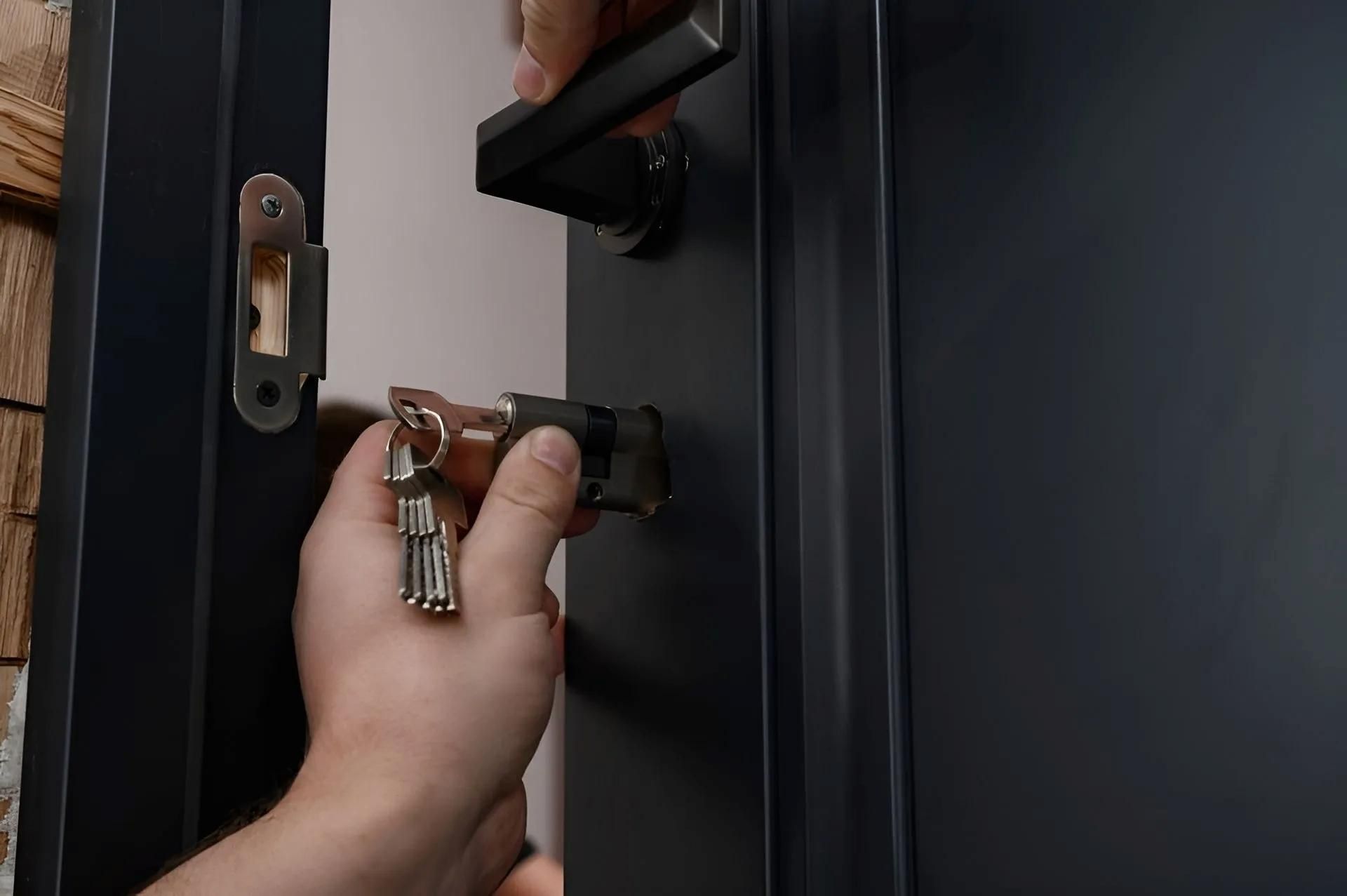
When the key history of a property is unclear, lock replacement or rekeying is the most reliable way to restore confidence in who has access. Rekeying reconfigures the existing cylinder so that old keys no longer work, while full lock replacement provides new hardware alongside new keys. The right choice depends on the condition and quality of the existing lock. A
mobile locksmith in Coffs Harbour can assess the hardware on site and recommend the most appropriate and cost-effective approach for the specific situation.
Visible Damage to a Lock Is Never Just Cosmetic
Scratches around a keyhole, a dented lock face, a cylinder that sits unevenly in its housing or a deadbolt that no longer aligns cleanly with the strike plate — these are all signs that a lock has either sustained damage or shifted out of its correct position. In some cases, visible damage is the result of an attempted forced entry that the homeowner wasn't aware of. In others, it reflects years of wear or a door frame that has moved over time.
Regardless of the cause, a lock showing visible damage should be assessed rather than left in place. The external signs of damage often correspond to internal issues that affect how reliably the lock engages. A bolt that appears to latch but isn't fully engaging with the strike plate, for instance, provides significantly less resistance to forced entry than one operating correctly. The following are the most common indicators that a damaged lock needs professional attention:
- Scratch marks or gouging around the keyhole that suggest tampering or attempted picking
- A cylinder that wobbles, spins or feels loose within the lock body
- A deadbolt or latch that doesn't extend to its full throw when engaged
- Visible corrosion or pitting on external lock components
Outdated Lock Designs Offer Less Protection Than Homeowners Often Realise
Not all locks are equal, and the difference between a basic pin tumbler lock from twenty years ago and a current security-rated deadbolt is substantial. Older lock designs, particularly those without anti-pick pins, anti-drill plates or restricted key profiles, are more vulnerable to the bypass techniques that are well documented and widely understood. A determined intruder with basic knowledge of lock vulnerabilities will focus on the weakest point of entry, and an outdated lock on an external door is exactly that.
Upgrading to hardware that meets current Australian security standards isn't about over-engineering a solution — it's about ensuring the locks on your doors are at least as resistant as a modern intruder might expect them to be. A locksmith can identify the security rating of your existing hardware, explain where it falls short and recommend replacement options that provide meaningful improvement without unnecessary cost.
After a Break-In, Replacing the Locks Isn't Optional
A break-in is a clear trigger for immediate lock assessment and replacement, but the reasoning goes further than most homeowners initially consider. A lock that has been forced, even if it appears to close and latch normally afterwards, has almost certainly sustained internal damage that affects its integrity. The bolt mechanism, the cylinder and the strike plate may all have been stressed in ways that aren't visible from the outside but that reduce the lock's resistance to a second entry attempt.
Beyond the damaged hardware itself, a break-in is also a prompt to review the security of every entry point, not just the one that was breached. Points to address following a forced entry include:
- Immediate replacement of any lock that was forced, drilled or otherwise compromised
- Assessment of all other external locks for signs of tampering or pre-existing weakness
- Review of strike plate depth and fixing — shallow strike plates are one of the most common weak points in an otherwise functional lock setup
- Consideration of whether the existing hardware grade is appropriate for the level of security the property requires
Moving Into a New Home Means Inheriting an Unknown Lock History
Buying or renting a new property is one of the most straightforward situations in which lock replacement makes practical sense, yet it's something many new occupants put off or overlook entirely. The locks on a home at the point of handover carry the history of everyone who has held a key during the property's previous occupation, and that history is rarely fully documented. Previous owners, tenants, real estate agents, tradespeople and neighbours may all have copies of keys that were never accounted for.
Replacing or rekeying the locks on moving in is a simple, cost-effective step that closes that gap and establishes a clean slate for key control from day one. It's particularly relevant for investment properties changing tenants, where the volume of key copies issued over multiple tenancies can be significant. A locksmith attending on moving day or shortly after can complete the work quickly and ensure that the new occupant is the only person with a working key to the property.
What to Expect When a Locksmith Assesses Your Locks for Replacement
For many homeowners, the uncertainty around what a lock replacement assessment actually involves is part of what delays them making the call. In practice, the process is straightforward. A locksmith will examine the existing hardware on each door, assess the condition and security rating of the locks, identify any installation issues such as a misaligned strike plate or an undersized bolt throw and provide a clear recommendation on whether repair, rekeying or full replacement is the appropriate response.
The assessment also takes into account the door and frame condition, since a high-quality lock installed in a compromised frame provides less protection than the hardware alone would suggest. Following the assessment, replacement work is typically completed in the same visit, with no need for return appointments in most cases. The outcome is a set of locks that are in known condition, correctly installed and appropriate for the security needs of the property.
Talk to Coffs City Lockmart About Your Lock Replacement Options
At
Coffs City Lockmart, we work with
homeowners and
property managers across Coffs Harbour and surrounds to assess, repair and replace locks that are no longer performing the way they should. The coastal environment here is genuinely tough on hardware — salt air, humidity and temperature variation all accelerate the wear on lock mechanisms in ways that aren't always obvious until a cylinder fails or a bolt stops engaging cleanly. Whether you've noticed signs that your locks are due for replacement, you've recently moved into a new property or you simply haven't thought about your locks in years, we can attend your property, assess what's in place and give you a straightforward recommendation on what needs doing.
Get in touch to arrange a visit from our team, and we'll give you an honest assessment plus complete any replacement work on the same day wherever possible.