Access Control Systems vs Traditional Locks: What’s the Difference?
For decades, traditional locks and keys have been the standard way to secure homes and businesses. While these systems still play an important role in property security, modern technology has introduced new solutions that offer greater control and flexibility.
Access control systems are becoming increasingly popular across Australia, particularly for businesses that need to manage who enters certain areas. However, many homeowners and business owners still wonder whether traditional locks or electronic access systems are the better choice.
Understanding the key differences between these two options can help you make the right decision for your property. If you’re exploring security systems in Coffs Harbour, it’s helpful to know how modern access control compares to conventional locking systems.
What Are Traditional Locks?
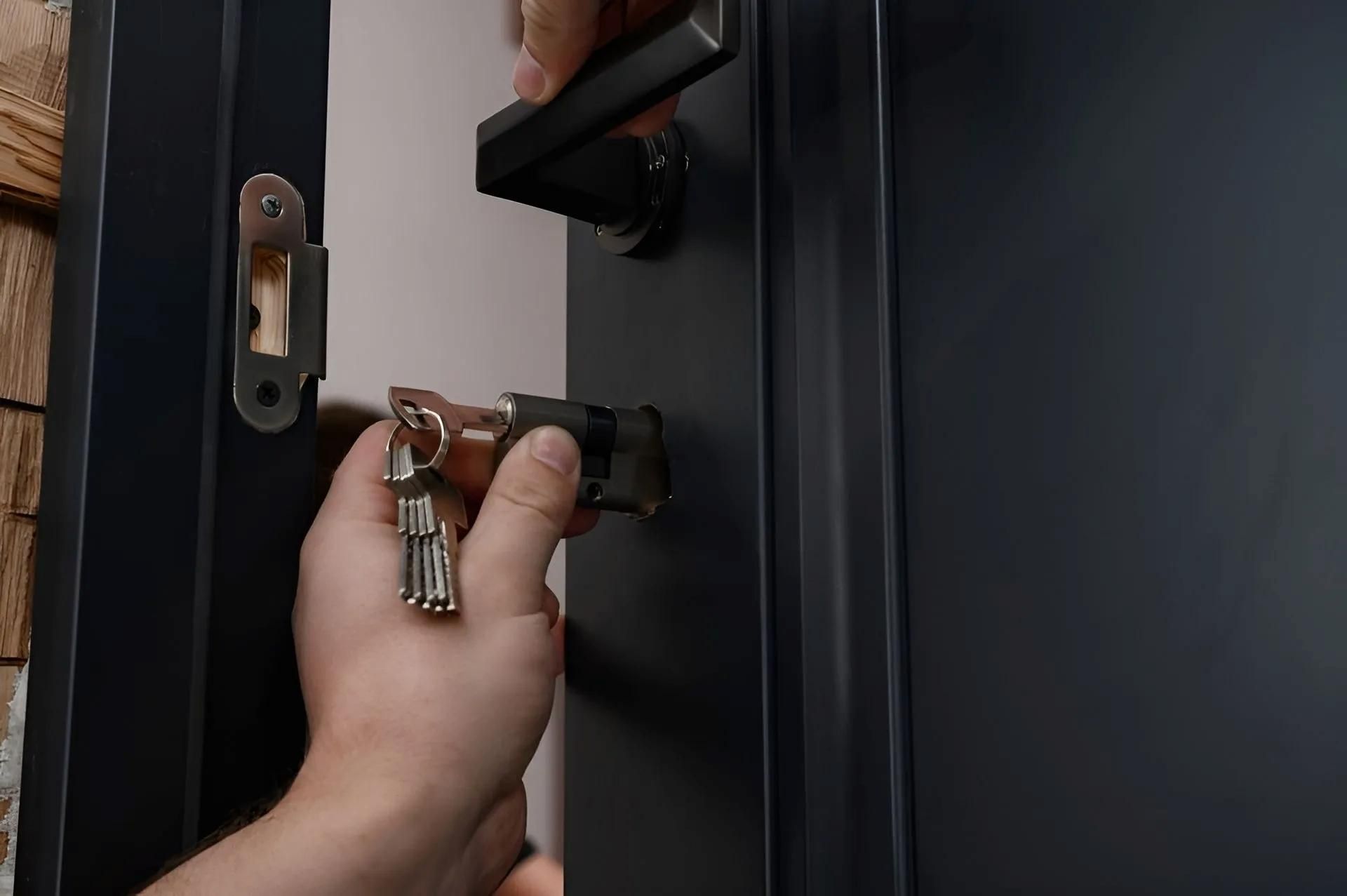
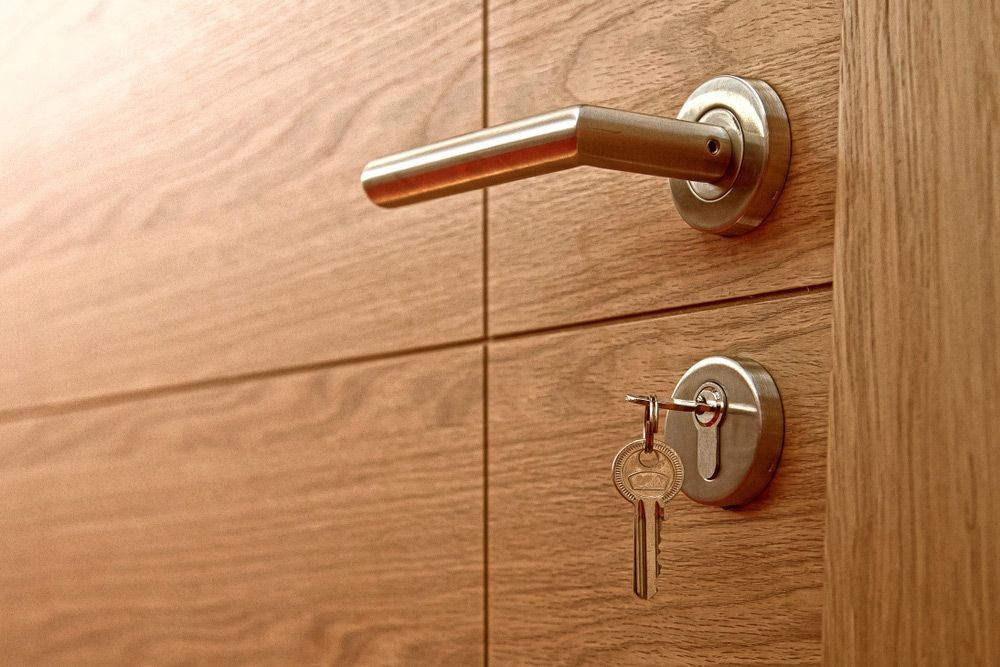
Traditional locks use mechanical components that require a physical key to unlock a door. These systems have been used for generations and are still widely installed in homes and smaller buildings.
Common types of traditional locks include:
- Deadbolts
- Knob locks
- Lever handle locks
- Padlocks
- Mortice locks
Traditional locks are simple and reliable. When installed correctly, they provide a solid level of security and require very little maintenance. However, they also have limitations. If a key is lost, stolen or copied without permission, the lock may need to be replaced or rekeyed. Managing multiple keys can also become complicated for businesses with several staff members.
What Are Access Control Systems?
Access control systems use electronic technology to manage entry to buildings or restricted areas. Instead of a traditional key, users gain access through credentials such as key cards, codes or smartphone apps. These systems are a common feature of modern security systems in Coffs Harbour to improve security and control access.
Access control systems may use:
- Key cards or swipe cards
- PIN code entry
- Mobile phone access
- Key fobs
- Biometric scanning (such as fingerprint recognition)
Because access is controlled electronically, permissions can be updated quickly without replacing locks or issuing new keys.
Key Differences Between the Two Systems
Traditional locks and access control systems both secure doors, but they operate in very different ways.
Access Method
Traditional locks require a physical key to unlock a door. Access control systems allow entry using electronic credentials such as cards, codes or mobile apps.
Security Management
Traditional locks rely on controlling who has copies of keys. Access control systems allow administrators to grant or remove access instantly without changing hardware.
Monitoring Capabilities
Mechanical locks cannot record entry activity. Access control systems can track who enters certain areas and when access occurs.
Scalability
Traditional locks work well for small properties with limited users. Access control systems are easier to manage in larger buildings where many people require access.
Security Advantages of Access Control Systems
For many businesses, access control provides stronger security than traditional locks because it offers greater control over who can enter certain areas.
Some of the security advantages include:
- Ability to restrict access to authorised users
- Immediate removal of access when staff leave
- Audit logs showing entry activity
- Reduced risk of unauthorised key duplication
In commercial environments such as offices, warehouses and medical facilities, these features help maintain security while allowing convenient access for employees. This is why many businesses exploring security systems in Coffs Harbour choose access control technology..
Convenience and Flexibility
Traditional keys can be inconvenient to manage, especially for organisations with multiple employees. Keys can be misplaced, copied or shared without permission. If this happens, replacing locks can become expensive and time-consuming. Access control systems offer greater flexibility because credentials can be updated digitally. If someone loses a card or key fob, access can simply be disabled.
Additional benefits include:
- No need to carry multiple keys
- Easy access updates for new staff
- Remote management in some systems
- Integration with alarm or security monitoring systems
This level of convenience makes electronic systems particularly attractive for modern workplaces.
Suitability for Residential Properties
Traditional locks remain the most common security option for residential homes. They are affordable, reliable and simple to use. However, some homeowners are beginning to adopt smart access systems as part of broader security systems solutions.
Access control for residential properties may include:
- Keypad entry systems
- Smart locks connected to mobile apps
- Video intercom entry systems
These systems allow homeowners to grant temporary access to family members, tradespeople or guests without handing out physical keys.
Access Control for Businesses
Businesses benefit significantly from access control systems because they allow different access levels for different employees.
For example:
- Staff may access office areas
- Managers may access secure storage rooms
- Maintenance teams may access equipment areas
This layered approach improves security while ensuring employees can move through the building as needed. Access control systems also help businesses manage security across multiple entry points.
Cost Considerations
Traditional locks are generally cheaper to install than electronic access systems. For smaller homes or offices, they remain a practical and cost-effective solution. Access control systems involve higher upfront costs due to hardware, software and installation. However, the long-term benefits often outweigh the initial investment.
Over time, businesses may save money by:
- Avoiding lock replacements when keys are lost
- Managing access digitally
- Improving overall security management
For growing organisations, access control systems often provide better scalability.
Choosing the Right Security System
The best security solution depends on the needs of your property.
Traditional locks may be ideal if:
- The property has limited users
- Security requirements are straightforward
- Budget is a primary concern
Access control systems may be better if:
- Multiple people require access
- Security needs to be monitored or tracked
- Access permissions change frequently
Professional advice can help determine the best approach for your home or business.
Security Systems Coffs Harbour Property Owners Trust
Both traditional locks and access control systems play an important role in modern security. While mechanical locks remain reliable and widely used, electronic access systems offer enhanced control, convenience and scalability.
Choosing the right option depends on your property size, security requirements and long-term needs.
The team at
Coffs City Lockmart can help you understand your options for security systems in Coffs Harbour. With expertise in both traditional locking systems and modern access control technology, we provide tailored security solutions designed to protect your property effectively.
Contact us for more information.